
Viral Klang Crash: Driver Faces Murder Charge, Admits to Drug Offense

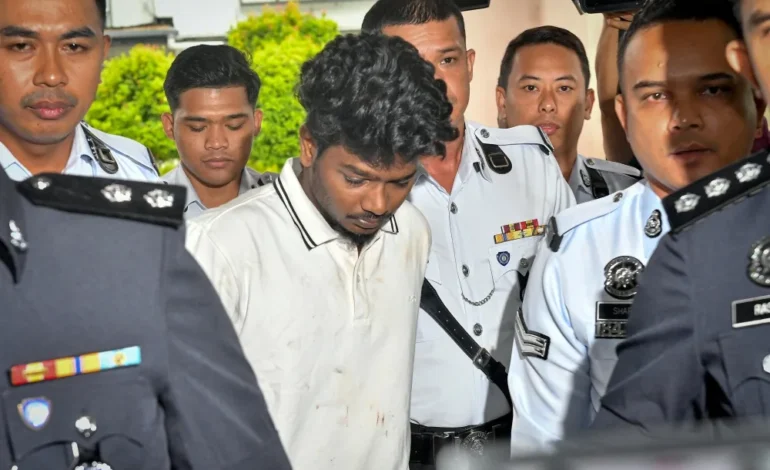
**Driver at Centre of Viral Klang Crash Faces Murder Charge, Pleads Guilty to Drug Offence** In a dramatic turn of events that has captured the attention of the nation, a 28-year-old driver was brought before the Magistrates’ Court in Klang today to face serious charges stemming from a tragic crash that went viral last week. The incident, which resulted in the death of a motorcyclist and left many shocked by its severity, has prompted intense public outcry and debate. The accused, identified as R. Saktygaanapathy, is facing a murder charge for the fatal crash that claimed the life of 33-year-old Amirul Hafiz Omar.
The crash occurred on March 29 at 11: 47 am on Jalan Raya Barat, a usually bustling street now marked by the somber memory of the tragedy. When the charge was read to him by Magistrate A. Karthiyayini, Saktygaanapathy nodded to indicate his understanding, but no plea was recorded due to the gravity of the charge, which falls under the jurisdiction of the High Court. The murder charge is framed under Section 302 of the Penal Code, which carries the possibility of the death penalty.
In cases where the death sentence is not imposed, the law mandates a prison term ranging from 30 to 40 years, accompanied by no fewer than 12 strokes of the cane. The severe legal consequences underscore the seriousness with which the judicial system views crimes of this nature, especially when they involve loss of life caused by reckless behavior. In addition to the murder charge, Saktygaanapathy pleaded guilty to a separate drug offence. He admitted to self-administering benzodiazepines and tetrahydrocannabinol (THC), substances commonly associated with impairing cognitive and motor functions.
This offence reportedly took place at the Narcotics Office of the Klang District Police Headquarters on the same day as the crash, at 3: 30 pm. The drug charge is brought under Section 15(1)(a) of the Dangerous Drugs Act 1952, which provides for a fine of up to RM5, 000 or a maximum of two years’ imprisonment upon conviction. The case has drawn significant public attention, not only because of the charges but also due to the disturbing nature of the crash itself. Descriptions of the incident reveal that the crash was so severe that it hurled the motorcyclist into the air, landing onto another vehicle.
Such a violent and public display of disregard for safety has intensified calls for stricter enforcement of traffic laws and harsher penalties for those who drive under the influence of alcohol or drugs. Public discourse surrounding the incident has been intense, with many citizens expressing their anger and frustration on social media. Netizens have been vocal in their condemnation, urging the authorities to focus on the individual actions of the accused rather than attributing the tragedy to broader societal issues. This sentiment reflects a growing awareness and intolerance of dangerous driving behaviors that put innocent lives at risk.
The prosecution in this high-profile case is led by Deputy Public Prosecutor Raja Zaizul Faridah Raja Zaharudin. Notably, Saktygaanapathy appeared in court without legal representation, a decision that has raised eyebrows and questions about his defense strategy in such a serious case. As the legal proceedings continue, the case serves as a grim reminder of the potential consequences of driving under the influence. It highlights the critical need for responsible behavior on the roads and the importance of adhering to the law to prevent such tragedies from occurring in the future.
The Klang crash has not only devastated the family of Amirul Hafiz Omar but has also served as a catalyst for a broader conversation about road safety, legal accountability, and the societal impacts of substance abuse. As the case progresses through the courts, it is expected to remain a focal point for public attention and debate, potentially influencing future policy decisions related to traffic law enforcement and drug use. This tragic incident underscores the fragility of life and the devastating impact that a moment of recklessness can have, not only on the individuals directly involved but also on the wider community. It is a stark reminder of the responsibilities that come with the privilege of driving and the dire consequences that can ensue when those responsibilities are neglected.